Why Entry Is Often the Biggest Bottleneck at a Trade Fair

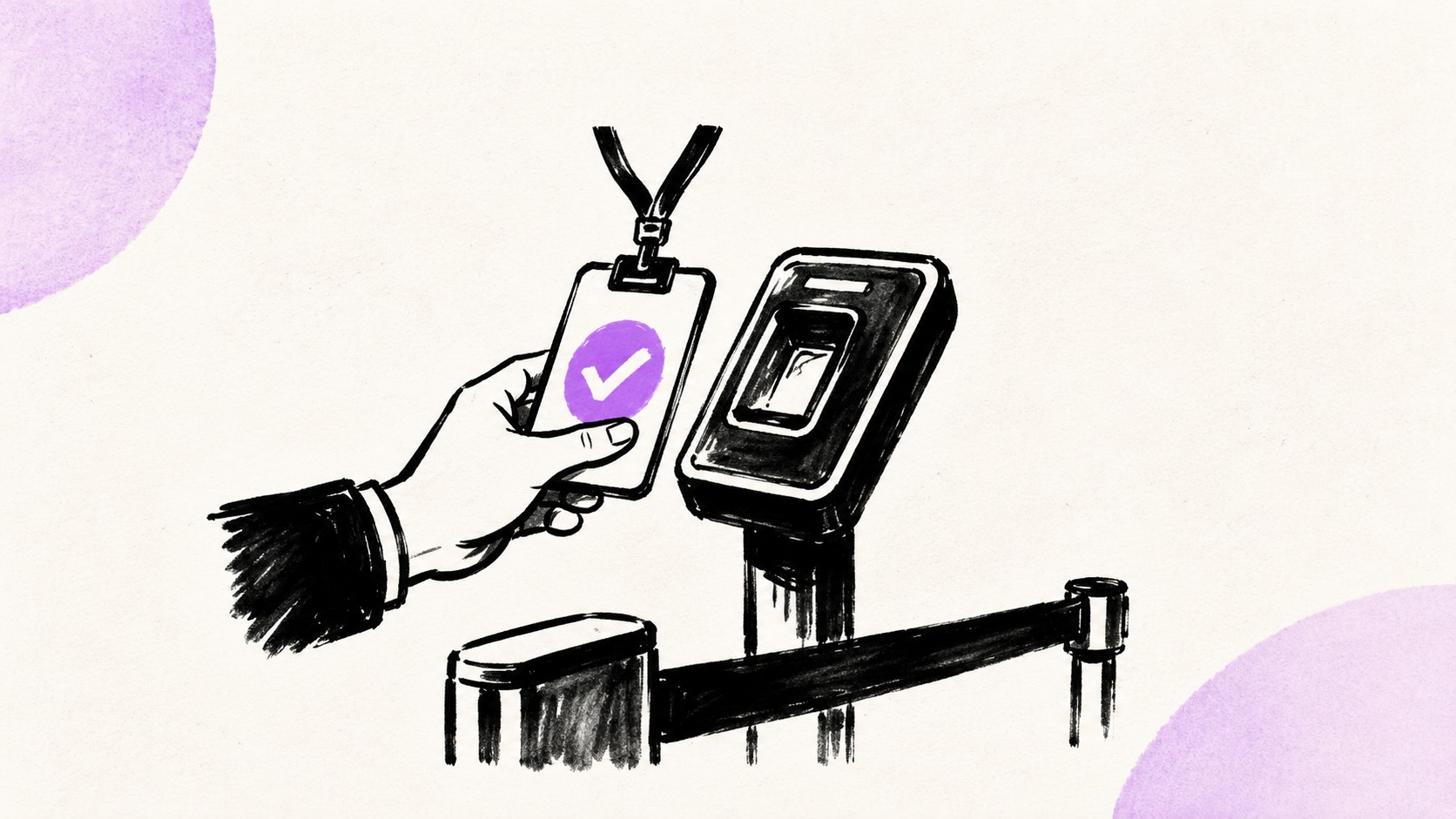
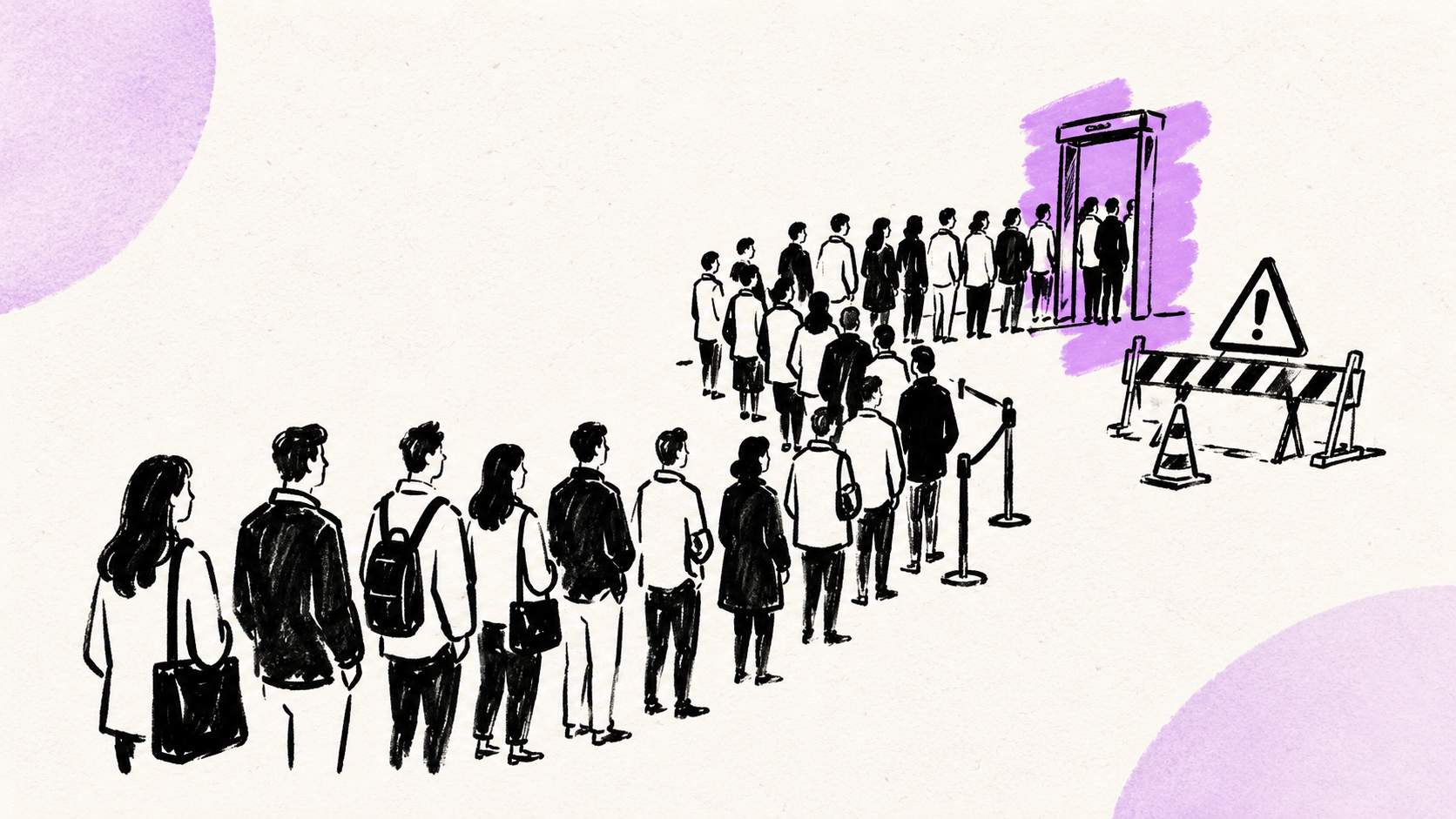
You're standing at the entrance of a large trade fair, ten minutes before opening, and you can already see the line from a distance. Not because of a parking shortage, but because the check-in area has become a bottleneck. What ends up as just a small footnote in the post-event report was, for many participants, the first impression of the entire event. And that first impression was waiting.
This scene repeats itself at a surprising number of events, regardless of industry or size. It's rarely a sign of poor planning overall, but a very specific, recurring pattern at exactly one point in the process.
Entry is the underestimated calling card of an event
Months of preparation go into the program, speakers, and booth design. The moment a participant first physically comes into contact with the event usually gets far less attention. Yet it's exactly this moment that shapes the mindset someone carries through the rest of the day.
A participant who stands in a confusing line for ten minutes enters the hall in a different mood than someone who's waved through in thirty seconds. That underlying mood often lingers for the whole day, even if the program and exhibitors go on to impress.
Why this exact moment so often goes wrong
On paper, entry looks simple: match names, issue a badge, wave people through. In practice, several processes collide at this point that rarely come from a single source. Registration data comes from one system, badge creation runs in another, and the list of edge cases, press accreditations, or VIP access often exists only as a separate spreadsheet.
As soon as one of these three points falls out of sync, a queue forms. Not because there's too little staff at the entrance, but because the staff are waiting for information that's sitting somewhere else at that exact moment.
The frustrating part: from the outside, it looks like a staffing problem, because people are queuing in front of a desk. In reality, it's almost always a data problem that only becomes visible at this particular point, because this is where all the processes have to come together for the first time.
A look behind the scenes
At many trade fairs, check-in is deliberately staffed heavily, on the assumption that more hands automatically mean more speed. That's only true if every person actually has access to reliable, up-to-date data. Otherwise, the bottleneck simply shifts from one desk to ten desks that are all looking at the same outdated list.
This becomes especially clear with last-minute changes: a late arrival, a spontaneous rebooking, a press accreditation confirmed only the evening before. It's exactly these edge cases that throw an otherwise well-planned entry setup off balance on event day.
On top of that, there's a timing factor that's easy to overlook: the largest number of participants almost always arrives within a very narrow window shortly before opening. Any system that works well under normal load gets put to the test in exactly this short window, often for the first time since the last event.
What well-organized trade fairs do differently
Events with smooth entry processes usually have one thing in common: the data sits in one central place that all check-in stations can access at the same time. Changes that happen shortly before the event are then immediately visible everywhere, not only after a manual update.
A second difference lies in how participants themselves are prepared. Clear communication in advance, for example about which documents to bring or what the process at the entrance looks like, reduces questions at exactly the moment when there's the least time to answer them.
A third, often underestimated difference is deliberately spreading out arrival times. Simple measures such as staggered entry times for different groups, or a clearly visible fast lane for already fully verified participants, take some of the pressure off the bottleneck without requiring additional staff.
What this means for how the whole event is perceived
Participants rarely judge an event by individual process steps. They remember an overall feeling, and entry is the first building block of that feeling. An event with an excellent program but a chaotic entry is often remembered worse than an event with an average program but a smooth start.
A simple reality check
A good test for your own event: imagine fifty participants arriving within the same minute. Does everyone at the entrance know, in that moment, who these fifty people are, what access they have, and whether there are any edge cases among them? If the honest answer is no or maybe, that's exactly where the real task for the next event lies.
The takeaway
The real planning question isn't how many extra staff could help at entry. It's whether everyone involved is looking at the same, up-to-date data on event day. Anyone who honestly answers this question before the next event often already sees in advance where the next bottleneck will form.
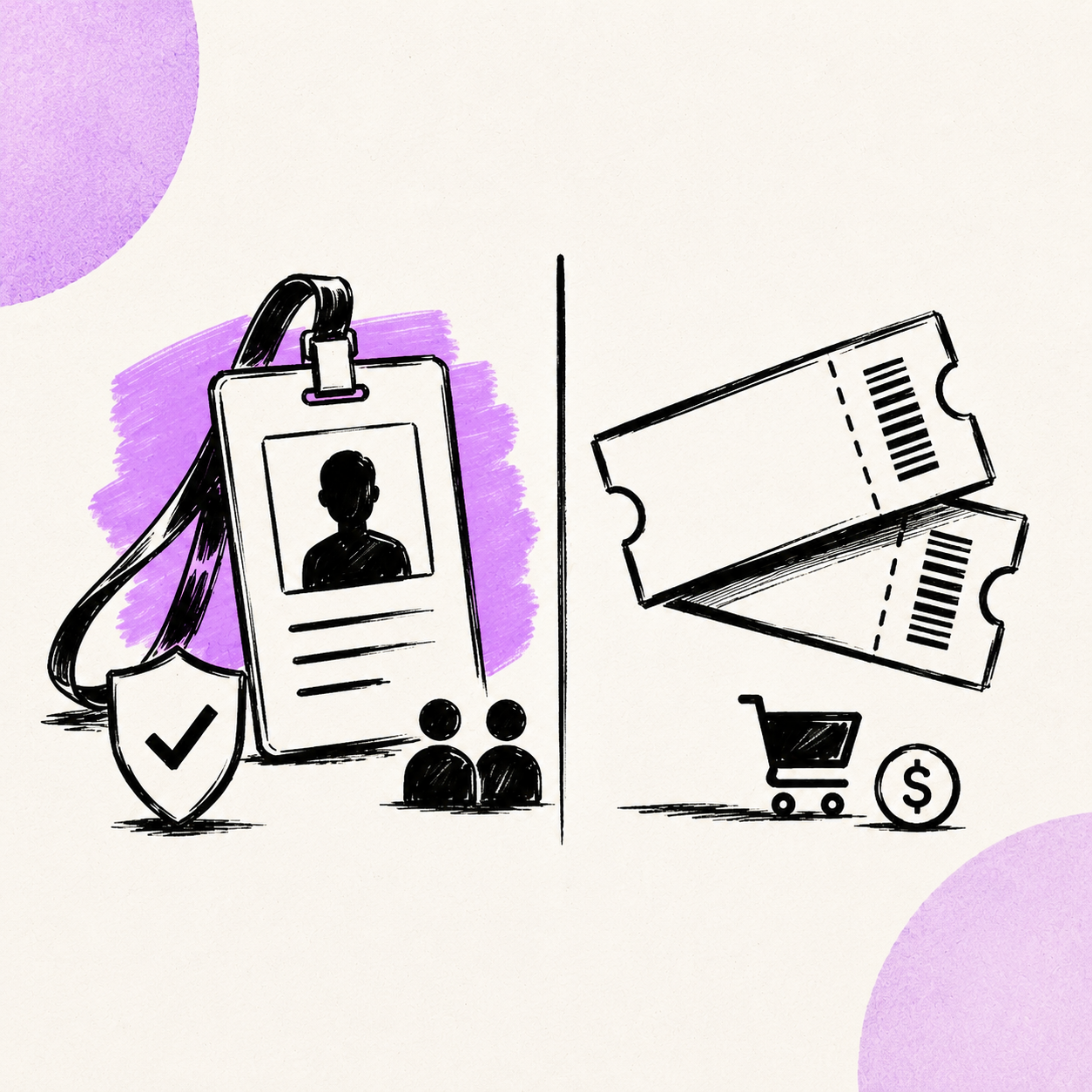
How accreditation concretely differs from classic ticketing, and why that distinction matters for planning, is covered in the next article. It's especially worth reading if your next event has more than one access group.