The ultimate guide for planning your event

The ultimate guide for planning your event
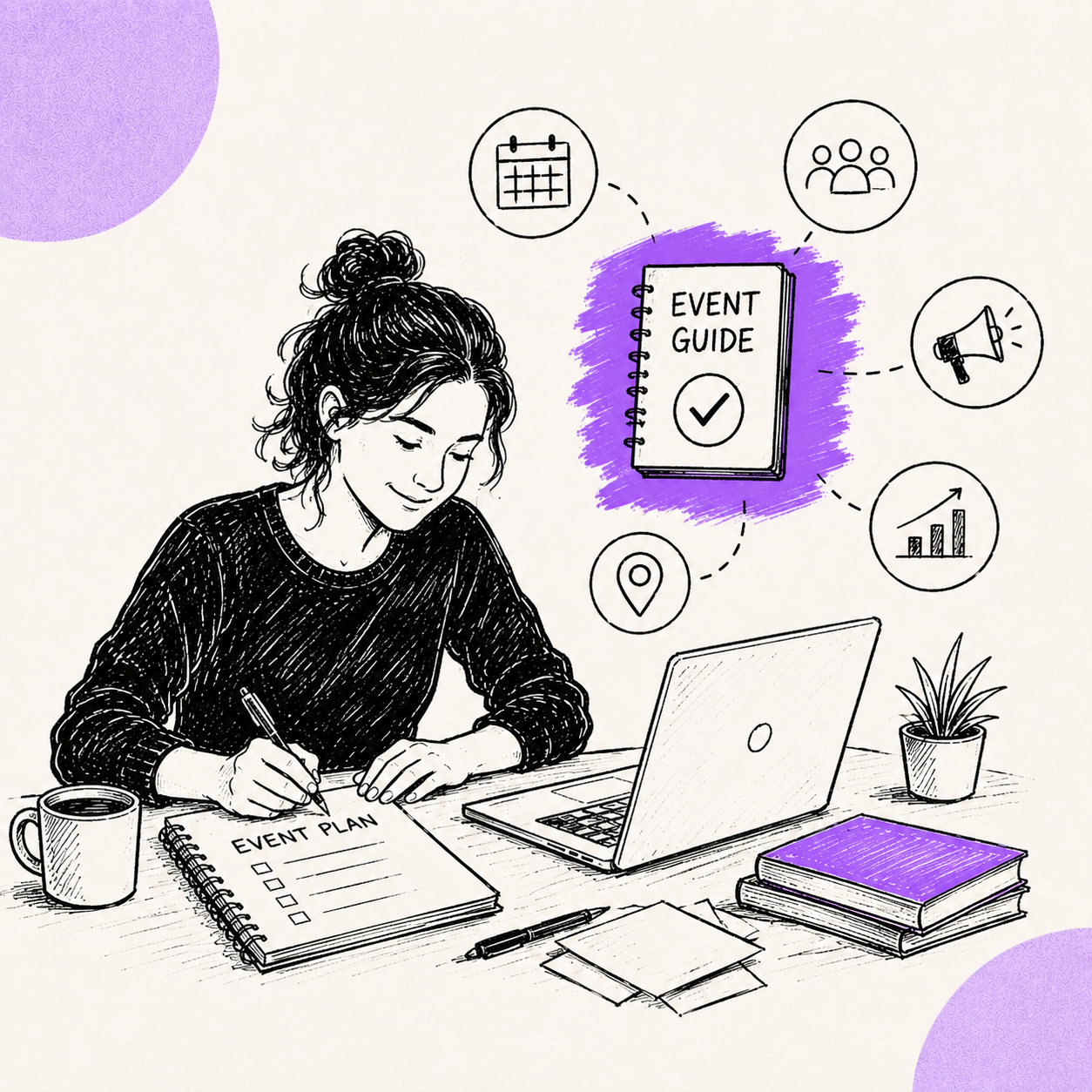
Event planning means the process of organizing an event from start to finish. This involves the conception, planning and implementation of events. It all starts with the idea and ends with the follow-up. Event planning itself includes many tasks; from choosing the location to inviting participants.
Significance and goals of events
Events play an important role in the business world. Whether it's a corporate event, conference or customer event — events have different goals. But first and foremost, it's about bringing people together, sharing knowledge, and strengthening relationships.
Online versus offline events
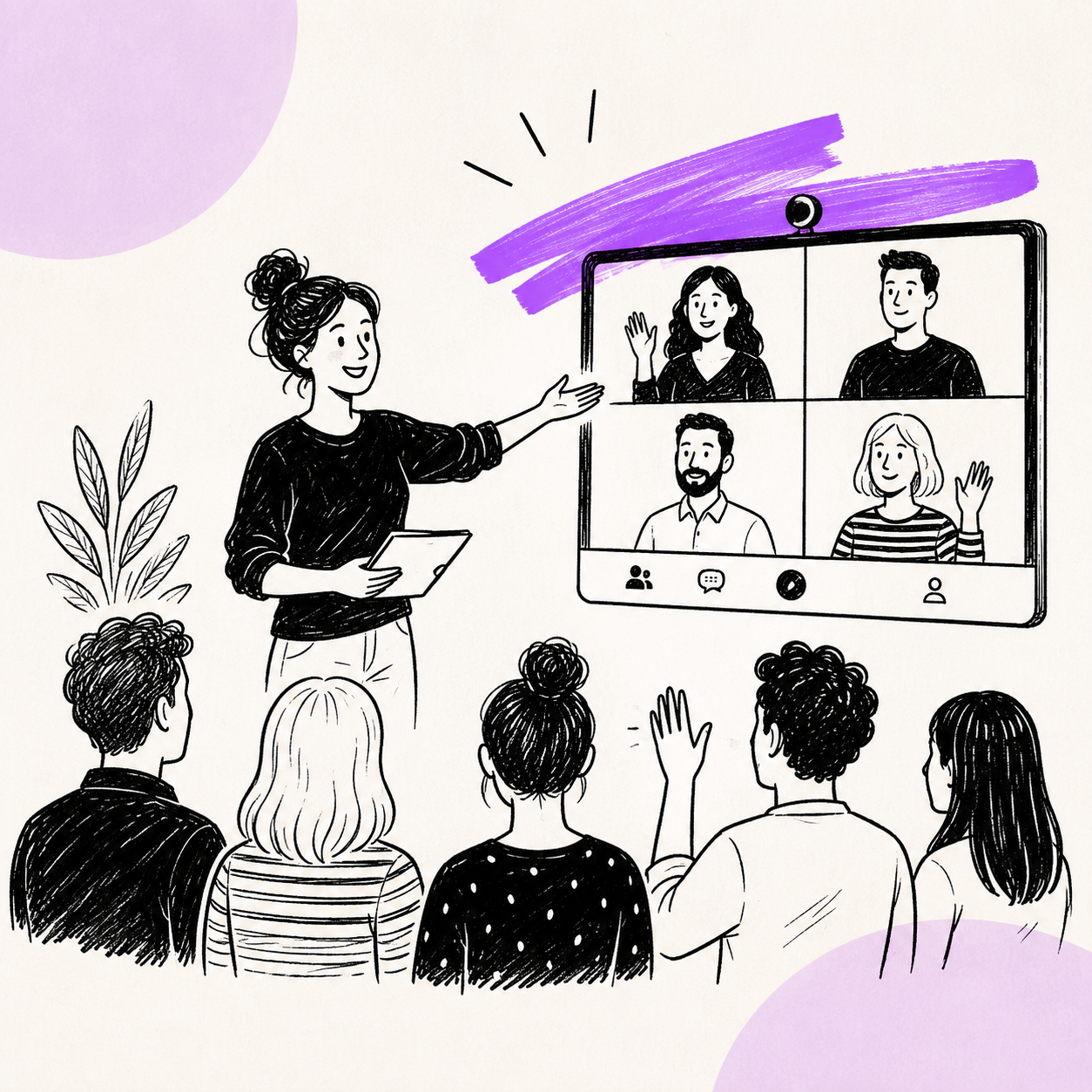
Online events are flexible and reach a larger target group. People can participate from anywhere. Tools and event platforms make implementation easier. In contrast, offline events, also known as on-site events, give participants the opportunity for personal exchange and direct interactions.
Challenges and solutions
Event planning can be challenging. There are many factors to consider: In addition to costs, this includes safety, catering, and more. For this reason, event planners often use applications to keep track of things. Coordination of all levels and proper preparation are the key to success.
The phases of event planning
Objectives and starting point
Definition of event goals
Setting goals is the first and most important step in event planning. Before you start organizing, you should clearly define what you want to achieve with your event. Is it about acquiring new customers, retaining existing customers or simply celebrating a special occasion? Objectives influence all further phases of planning. A clear goal gives you direction and helps you make the right decisions.
Analysis of the initial situation and target group
Once the goals have been set, the initial situation is analysed. Who is your target group? How many participants are you expecting? Know the needs and expectations of your participants. A corporate event for employees, for example, is very different from a conference for external guests. A thorough analysis is virtually the cornerstone for creating the right conditions and tailoring the event precisely to the target group.
planning phase
Choice of venue and formats
This is where the actual planning phase begins. A key point is the selection of the venue. This is about whether your event takes place locally, digitally or in a hybrid way. Local events offer a personal atmosphere and direct interactions, while digital events are more flexible and cost less. Hybrid formats combine both advantages and make it possible to reach a wider target group.
Setting the deadlines
The next step is to set the deadlines. In particular, pay attention to potential conflicts with other events and check the availability of the venue in good time. A well-chosen date has a significant influence on the success of your event. Also consider holidays and vacation periods to ensure that as many participants as possible have time.
Preparation of invitations and lists of participants
Invitations are the first point of contact with your participants. Create appealing invitations and send them promptly via email or social media. A well-designed invitation sparks interest and gives prospects a first impression of your event. Also create a detailed list of participants to keep track of things. This also ensures that all important people are invited.
Implementation and coordination
Course of the event
Create a detailed schedule that includes all activities and program items. A clear process makes it easier to hold an event. Plan enough breaks and make sure that all program items are well timed together.
coordination of personnel and activities
During the event, staff coordination is crucial. Make sure that all tasks are clearly distributed and everyone knows what needs to be done. An event manager can be of great help here. The coordination of activities must also be well thought out so that everything runs smoothly. Everyone should know what task he or she has and when it needs to be completed.
Ensuring technology and logistics
Technology and logistics are other important factors. Check all technical devices in advance and ensure that all logistics work smoothly. A well-thought-out check-in process and timely provision of catering are crucial here. Make sure that all required materials are on site in good time and that there are no technical breakdowns.
Follow-up and evaluation
Collection of feedback
After the event is before the event. Follow-up starts with collecting feedback. Ask your participants for their opinion and collect suggestions for improvement. This can be done via e-mail, via an event platform or through personal conversations. Only through feedback can you find out what went well and where there is a need for improvement.
Analyzing the results
Analyzing the results is the next step. What worked smoothly? Where were there problems? Based on the evaluation, you can plan future events even better. Analyze the collected data and draw conclusions for upcoming events.
Documentation and lessons learned
Finally, all phases should be documented. Write down all important points and findings in a checklist. These insights are valuable resources for planning future events. Good documentation helps you and your team to continuously improve the planning and execution of events.
Comprehensive event planning solutions
Digital, hybrid and face-to-face events
Event planning can vary significantly depending on the type of event. Digital, hybrid and face-to-face events each have specific advantages and special features. Digital events offer flexibility and cost efficiency. You can organize or participate in them from anywhere in the world. Check-in is easy online and participants can be there from the comfort of their own home. On the one hand, this saves costs and on the other hand time. Hybrid events combine the best of both worlds: digital and face-to-face events. They make it possible to reach participants locally and online. This increases your reach because you can address different target groups. Coordination between the two levels is a challenge that can be overcome with the right event platform. Face-to-face events, such as company parties or conferences, offer the advantage of personal exchange. The interactions are more direct and often more intensive. Local organization plays a major role here. Everything must be well planned and coordinated, from caterers to safety.
Provision of an event platform
A comprehensive event platform is the key to successful event planning. It supports you in all phases: from planning to implementation to follow-up.
Platform Features
planning: Here you can manage all important appointments, tasks and invitations. With a good checklist, you can keep track of every step of event planning.
Data collection: The platform collects all relevant data from participants. This gives you always access to important information and can send personalized emails.
Event marketing: Use integrated tools for social media, email campaigns, and other marketing activities. This is how you reach your target group effectively and specifically.
Implementation: During the event, the platform offers features such as check-in, live streaming and interaction options for participants.
Integration and use of the platform
Integrating an event platform into the process is easy and has many benefits. You can centrally control all phases of event planning and have all information in one place. This way, you avoid problems and save time. With the right guide and guide, event planning is a piece of cake. Another advantage is easy coordination with your team and external service providers, such as event agencies or caterers. With the help of the platform, you define and monitor all tasks and steps. Whether digital, hybrid or on-site, the organization becomes more efficient and the results more convincing. Event management doesn't have to be complicated — with the right tools and checklists, it becomes an exciting and rewarding task.
Challenges in event planning
1. Unexpected problems and how to deal with them
No matter how well you plan, unexpected problems can always arise. A good event planner must be flexible and creative to overcome these challenges. Prepare yourself for various scenarios and always have a plan B up your sleeve. This allows you to keep cool even in stressful situations.
2. Weather conditions
The weather often plays a major role at local events. Sudden rain or extreme heat can disrupt the process. Therefore, always plan a weatherproof alternative. Inform participants in good time about possible changes and keep everyone up to date. In this way, you can ensure that the event is a success even in bad weather.
3. Technical difficulties
Technical issues are another common obstacle. A reliable technical team and well-tested equipment are therefore essential. Test all technical systems in advance and always have replacement solutions ready. A smooth technical process is crucial for the success of your event.
4. Logistical barriers
Logistics is often one of the biggest challenges when planning events. Whether it involves transporting equipment, catering or accommodating participants — every phase must be well organized. Early planning and cooperation with experienced service providers are crucial here.
The role of social media
Using social media to promote events
Event planning has changed significantly in the modern world. Social media is undoubtedly an important factor — especially when it comes to promoting your event. Whether it's a conference, company party or customer event; social media provides the right stage. This is where you reach your target group. With the right strategy and the right channel, you can achieve a wide reach. Post regular updates about your event. Use visually appealing content to generate interest. You can also send invitations via social media. Depending on the target group, use various channels such as Facebook, Instagram or LinkedIn. An event agency can help you develop a suitable social media strategy.
Communication with participants
In addition to advertising, social media also plays a major role in communication with participants. You can share updates and important information quickly and easily. Create an event page or group to keep everyone up to date. Here, interested parties can ask questions and you can answer them directly. You can also use emails to share important information. Email marketing is another important tool in event planning. Combine email with social media for the best results.
Security and privacy
Safety concepts for events
A good security concept is essential for on-site events or hybrid events. Plan the security of your event from the start. Take all possible risks into account and create a comprehensive plan. Coordinating safety measures is an important task for the event manager. Make sure everyone involved knows what needs to be done. This applies to both staff and participants. Create a checklist with all important points of the security concept. This gives you an overview of all steps from planning to implementation. In this way, you ensure a smooth process and the safety of your participants.
Privacy policies and legal requirements
In addition to security, data protection also plays an important role. Make sure that you comply with all legal requirements. Inform participants about your privacy policy. Create a transparent privacy policy and make it available on your event platform. Data protection starts in the planning phase. Only collect the data that you really need. Be sure to store and process this data securely. Inform participants how their data is being used. Compliance with data protection guidelines is an important task in event planning. The main aim is to gain the trust of the participants. A guide is an important part of meeting all legal requirements.
Tips and tricks for event planners
The right choice of location
Criteria for choosing a location
Choosing the right location is one of the first and most important steps in event planning. The location determines the atmosphere of your event and can make a significant contribution to its success. Adapt the location to the target group and the activities that are planned. Pay attention to the size of the location — it should offer enough space for all participants, but also not be too big to create a pleasant atmosphere.
Accessibility is another important factor. Your event location should be easily accessible by public transport and offer sufficient parking facilities. Don't forget to keep an eye on costs and compare multiple offers before making a decision.
Professional invitations
Designing and sending invitations
Invitations are the first impression your participants get of your event. They should therefore be professionally and attractively designed. Use tools to create your invitations and make sure that all important information is included: date, time, location, and a brief description of the event. Send out the invitations well in advance so that your guests have enough time to schedule the appointment. Emails are often the best choice here, but depending on the target group and type of event, you can also rely on postal invitations or social media. Make a checklist to ensure that all invitations are sent out on time.
Efficient communication
Communication with all stakeholders
Good communication is essential for a successful event. You should communicate regularly with everyone involved — from caterers to staff to participants. Clear and regular arrangements avoid misunderstandings and ensure the smooth running of the event. Use various means of communication, such as emails, phone calls, and meetings, to keep everyone up to date. Event platforms can help you organize communication and collect all important information centrally. Also remember to get timely feedback and respond quickly to questions or problems.
Using email
E-mails are an indispensable tool in event planning. They enable you to share information quickly and efficiently. Make sure that your emails are clear and concise and contain all important information. Use subject lines that spark curiosity and encourage people to read.
How an event platform helps you organize an unforgettable event
An event platform
makes everything from event planning to follow-up easier for you. Easy event planning Planning an event always starts with good preparation. An event platform gives you all the tools you need to master the various phases of event planning
Efficient organization
Coordinating the various levels of an event is often a challenge. With an event platform, you can set appointments, send invitations and keep track of things. This makes organization a piece of cake. And best of all, you can control everything from one place.
Step-by-Step Guide
A good guide will guide you through all phases of event planning. From defining your goals, planning and implementation, to follow-up. In this way, you always have a clear process and can ensure that nothing is forgotten. A checklist helps you check off all important points.
Examples and inspiration
An event platform offers you lots of examples and ideas on how you can design your event. Get inspired and find the best activities for your target group. This will make your event a complete success.
Targeted planning
One of the most important elements of event planning is goal setting. With an event platform, you clearly define what you want to achieve. This makes it easier for you to take the appropriate steps and achieve your goals.
Hassle-free implementation
On the day of the event, you want everything to run smoothly. An event platform helps you keep track of all tasks. From the check-in of participants to the coordination of the staff: Everything runs like clockwork.
Effective post-processing
After the event is before the event. Follow-up is an important step in measuring the success of your event and collecting valuable feedback. An event platform helps you analyze the results and learn for future events.
Cost efficiency and safety
An event platform not only gives you a better overview, but also helps you save costs. You can use your resources efficiently and make sure you get the best price for all services. The platform also ensures the security of your data and that of your participants.
Social media integration
Use social media to promote your event and increase reach. An event platform helps you coordinate your activities across various channels. This is how you reach more people and make your event even more successful.
Individual adjustment
Every event is unique. With an event platform, you can design your event according to your wishes. Regardless of whether it's an offline or online event, you'll find the right tools and tools.
The right framework
A good event requires the right setting. An event platform helps you find the perfect location, hire the best caterer and ensure that everything runs smoothly. This will make your event unforgettable.
conclusion
Planning an event can be challenging, but with the right event planning and tools, everything becomes easier. From defining objectives to implementation on site — every phase counts. Regardless of whether it's a corporate event, conference or customer event, a clear organization is essential. Precision and creativity are essential in event planning. You need to keep an eye on all levels of the event, from planning to follow-up. A good checklist is your best friend here. It helps you to coordinate all important points in advance. But creativity also plays an important role. It ensures that your event is remembered and inspires your target group.